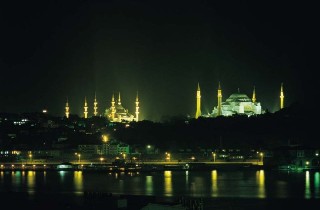
TURKEY Day 1
April 12 , 2011 Tuesday
Istanbul
Transfer to the Hotel Ayasofaya..
If you arrive
a day or two before the tour starts, you will still be given transfer
included in the price Please click here to
check the arrival info . At 04:00 PM meet at the lobby
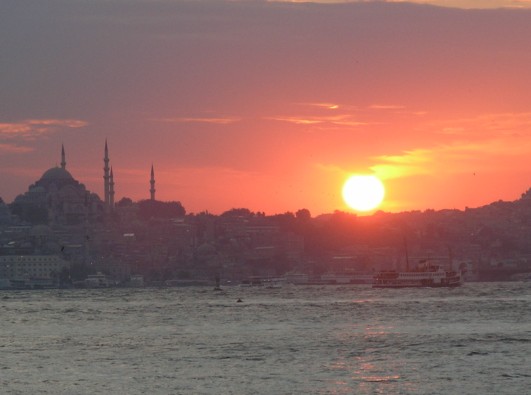
for group meeting. Dinner will be at a wonderful
restaurant where we can enjoy the sun set in the horizon of this
historic city. The Dinner is not included
S Y R
I A
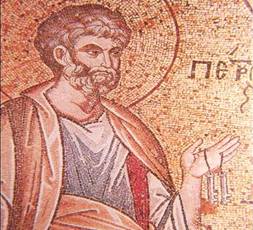 TURKEY Day 2
April 13 , 2011 Wednesday
SYRIA Halep (
Aleppo), Syria TURKEY Day 2
April 13 , 2011 Wednesday
SYRIA Halep (
Aleppo), Syria
Transfer to the air port in Istanbul. Fly to Antakya.
Transfer to the Syrian border drive 30 miles south to the Turkish - Syrian border.
US citizens and Canadians need
visa please click here
see info . After border crossing which can take an hour
or so we will drive south to Halep ( Aleppo).
The first wonderful surprise will be the Gate of
Havva and the Roman road which lead the troops of the many
and merchants to Anatolia through out the history since the time
of the Romans.
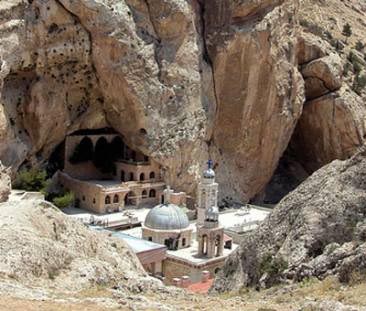
St Simon Monastery
This citadel is
60 km north-west of Aleppo. It was named after the hermit Saint Simon
(Sam'an),
a shepherd from northern Syria, who became a monk after a revelation
in a dream. Following Saint Simon's death in 459, the Emperor Zenon
ordered that a cathedral be built where the saint used to pray.
The layout was original, centering on the famous column from which
Saint Simon used to preach. Four basilicas, arranged in the shape of a
cross, opened into an octagon covered by a dome, in the center of
which stood the holy column.
It is a beautiful church built on the ridge of the hill where Saint
Simon had taken up "residence". Simplicity and harmony combine to make
the ruins of the Basilica of St. Simon (an earthquake destroyed parts
of the church less than half a century after it had been built) a
masterpiece of pre-Islamic art in Syria.
When we arrive in Aleppo, which will be late
afternoon, we will immediately experience the great food of Syria at a
very typical Restaurant built
 in
an old city in the old part of Aleppo. T in
an old city in the old part of Aleppo. T he
Syrian cuisine is varied and rich, in view of the fertility of Syrian
lands and the abundance of their crops which enable the cook to be a
master and to diversify in his choice and talent in the preparation of
fresh meals made of vegetables, legumes and meats. The Syrian table is
always decorated with the various delicious pastries famous all over
the world. We will have our first experience of the
Syrian food at lunch
in Halep. he
Syrian cuisine is varied and rich, in view of the fertility of Syrian
lands and the abundance of their crops which enable the cook to be a
master and to diversify in his choice and talent in the preparation of
fresh meals made of vegetables, legumes and meats. The Syrian table is
always decorated with the various delicious pastries famous all over
the world. We will have our first experience of the
Syrian food at lunch
in Halep.
This afternoon we will visit Aleppo
the second capital of Syria
(350 km north of Damascus), and one of the oldest continuously
inhabited cities in history.
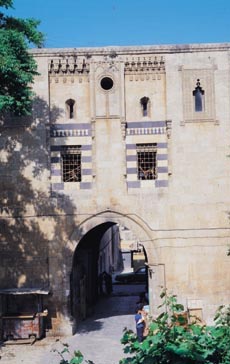
Old schools, churches, mosques, baths and ancient houses, some
dating back to the 15th century, like the al-Bunduqiah (Venetian)
Consulate, which contains superb ornaments and antiquities.
After our city site seeing we will enjoy home made food at the
historic house where we will stay for 2 nights.
SYRIA
Day 3
April 14 , 2011 Thursday
Halep (
Aleppo), Syria
After a great breakfast, you will especially
like the spread prepared with dried watermelon seed with 40
spices and olive oil , we will start the city tour of this
ancient city. -
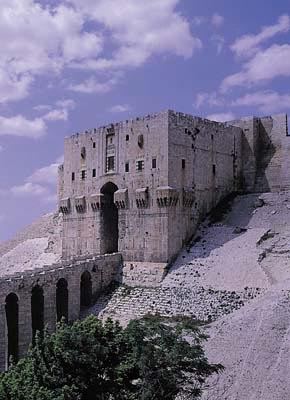
Abraham is said to have camped on the
acropolis which, long before his time, served as the foundation of a
fortress (where the Aleppo citadel is standing now). He milked
his grey cow there, hence Aleppo's name: "Halab al-Shahba". Ever since
the 3rd millennium B.C., Aleppo has been a flourishing city, with a
unique strategic position. This position gave the city a distinctive
role from the days of the Akhadian and Amorite kingdoms until modern
times. It was the meeting-point of several important commercial roads
in the north. This enabled Aleppo to be the link in trade between
Mesopotamia, the Fertile Crescent and Egypt. The Amorites made it
their capital in the 18th century B.C.
This position made it subject to invasions from various races; from
Hittites, Egyptians, Assyrians, Persians, Greeks and Romans. Aleppo
was prominent in the Christian era; it became a Bishopric and a huge
cathedral was built in it, which is still standing.
The conflict between
Byzantium and Persia, however, resulted in the latter's occupation of
Aleppo in 440. The Persians robbed the city, burned considerable parts
of it and damaged many of its features. Though expelled by Justinian,
the Persians still threatened Aleppo and frightened its inhabitants
until the Arab Islamic conquest came in 636. The city then regained
its status, both cultural and commercial.
Apart
from the Omayyad and Abbassid periods in which Aleppo flourished the
Hamadani state established by Sayf al-Dawla in 944 made Aleppo the
northern capital of Syria. Sayf al-Dawla built Aleppo's famous
citadel, and in his days the city enjoyed great prosperity and fame in
science, literature and medicine, despite this leader's military
ambitions. Mention should be made of the two most prominent poets, al-Mutanabbi
and Abu al-Firas; of the philosopher and scientist, al-Farabi; and of
the linguist, Ibn Khalaweh, all of whom lived in Sayf al-Dawla's court
and were renowned for great knowledge and scholarship.
Aleppo
was famous for its architecture; for its attractive churches, mosques,
schools, tombs and baths. As an important center of trade between the
eastern Mediterranean kingdoms and the merchants of Venice, Aleppo
became prosperous and famous in the centuries preceding the Ottoman
era. Many of its "khans" (caravanserai) are still in use even today;
one of them is called "Banadiqa Khan", "Banadiqa" in
Arabic being the term for "inhabitants of Venice". In the Ottoman age,
Aleppo remained an important center of trade with Turkey, France,
England and Holland. This caused various types of European
architecture to be adopted in Aleppo which can be seen in many
buildings today.
The National Museum; this includes in
particular documents and relics from Ebla and Mari. After the museum
of Bagdad was demolished, this museum stands as the best museum for
documenting the history of Mesopotamia.
- Museum of Popular Arts and Traditions will be a incredible
window through which we can see the rich ethnography of the country.
- Al-Jami' al-Kabir (The Great Mosque), The site of the
Great Mosque is the former Agora from the Hellenistic period, which
later became the garden for the Cathedral of St. Helena, during the
Christian era. It was built by the Umayyad Caliph al Walid, who had
earlier founded the Great Mosque in Damascus. It was completed in 717
by his successor Caliph Suleiman. Nur al Din later rebuilt it in 1169
after a great fire and the Mamelukes made further alterations. This
mosque has an enormous 45-meter minaret, which is completely detached
from it, built by the Seljuks in 1070. The Great Mosque was
built in its gardens, but the actual Cathedral remained a place of
Christian worship until 1124. In this year, a besieging crusader army
violated Islamic places of worship and in retaliation the Cathedral
was changed into a Madrasa for Koranic teaching.
 The inside
comprises a courtyard, surrounded by student cells and a domed prayer
hall. This is the only part which remains of the old cathedral. The
finely decorated mihrab inside dates to 1245 when Nur al-Din remodeled
the building. The inside
comprises a courtyard, surrounded by student cells and a domed prayer
hall. This is the only part which remains of the old cathedral. The
finely decorated mihrab inside dates to 1245 when Nur al-Din remodeled
the building.
-Halawiyeh Madrasa This Koranic school was founded in 1124. It
is found on the site of the Cathedral of St. Helena, mother of the
Emperor Constantine who made a pilgrimage to the Holy Land in 326.
Madrasa Sultaniye Lying across the road from the Aleppo citadel is
this 13th century Madrasa, which was built by Sultan al Aziz. The
greatest aspect of this Madrasa is the mihrab.
Madrasa Faradis Near the cemetery situated close to Bab al
Maqam, is Madrasa Faradis, 'School of Paradise'. This was built by
Sultan al Zaher Ghazi's widow, Daifa Khatun in 1234. It is of great
beauty and elegance, with pillars surrounding a small pool, and an
Arabesque mihrab. It is often considered the most beautiful of the
Aleppo Madrasas.
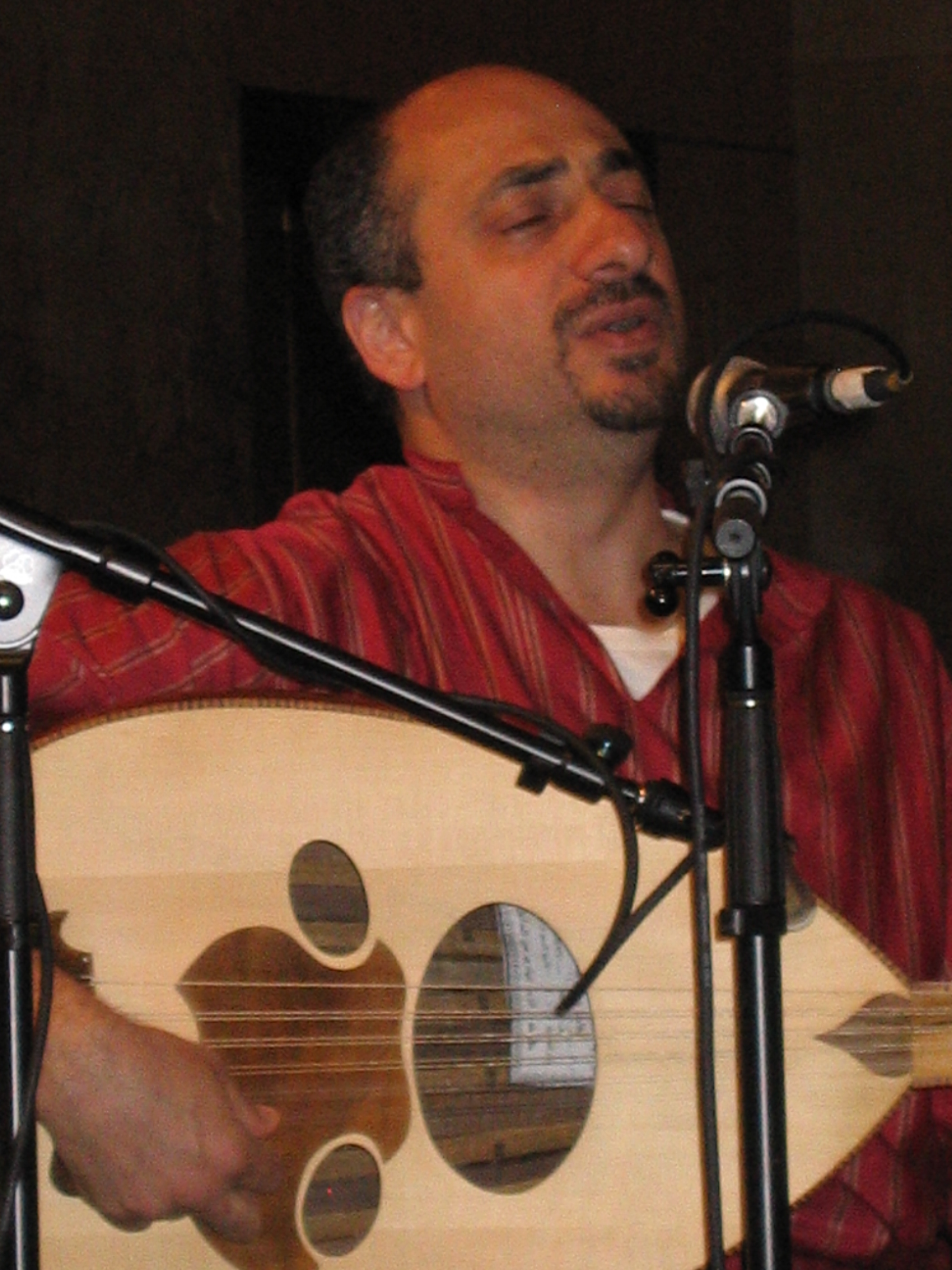
We will finish the day listening to the mystical sound of an ud.
dinner will be at one of the most popular local restaurants of the
city. Overnight at the same house.
SYRIA Day 4
April 15 , 2011 Friday
Humus
( Homs)
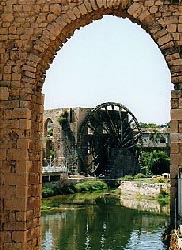
Hama Water Mills Ebla Tablets from Assyrian Era Apamia
Roman city
Dinner and overmight at the hotel in Humus Homs
Hama is considered as
one of the oldest inhabited areas in the Arab World. Located in the
central region of Syria 120 km from the Mediterranean Sea, the area
combines a spectacular mixture of steppe, mountains and river plains.
The area is dominated by the Al-Aassi river, known internationally as
the Orontes river.
The climate is Mediterranean, : warm autumns, mild winters, warm
springs and hot summers, eased by strong breezes.
Hama is well known for its geographical variety, ranging from rich
agricultural plains with fertile soil to semi-deserts, or from
pastures ideal for grazing to forested mountains a thousand meters
above sea level. Hama is renowned as a center for farming in Syria,
with high yields of crops and excellent meat and dairy products.
The city is also known for also the abundance of water and the water
mills.
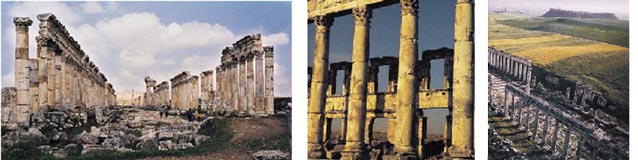
Apamea
is located on the right bank of the Orontes, about 55 km to the
northwest of Hama. It overlooks the Ghaab plain. It was built by
Saluqos Nikator, the first king of the Seleucids in Syria in 300 B.C.
He named it after his wife, Afamia. The city flourished to an extent
that its population numbered half a million. As an Eastern crossroads,
it received many distinguished visitors: Cleopatra, Septimus Severus
and the Emperor Caracalla. In the Christian era, Apamea became a
center of philosophy and thought, especially of Monophostism.
Most of the uncovered
ruins in it date back to the Roman and Byzantine ages. It is
distinguished for its high walls and the main thoroughfare surrounded
by columns with twisted fluting.
The street is
about 2km long and 87m wide. The ruins of the Roman theatre, which
have been frequently disturbed, are now a great mass of stone. Its
colonnade is 145 m long. Erected in the 2nd century, it was destroyed
in the 12th century by two violent earthquakes; some columns are still
standing nevertheless. To the west of the city, stands the Mudiq
citadel which once formed a defense line along the Orontes. Fierce
battles with the Crusaders attempting to conquer it took place in the
12th century, and Nur al-Din finally surrendered it in 1149. The
citadel has huge towers, overlooking the Ghaab plain. It also has a
khan built by the Turks in the 16th century, and
transformed into an archacological museum which houses Apamea's
mosaics.To the south of Mudiq castle lies the citadel of Shaizar
overlooking the Orontes. In the Middle Ages it could only be reached
by a draw-bridge. The main tower of the citadel is square in shape and
overlooks the defensive fortresses. Arabic inscriptions from the
Mamluk periods appear over its entrance. The citadel was rebuilt by
the Mamluks after it was destroyed by an earthquake in 1157. The
Crusaders tried to occupy it several times, but in vain.
 Overnight
will be at Humus (Homs). This city is the third most important
city in Syria. It lies 160 km to the north of Damascus. Like Petra and
Palmyra, Homs was an Arab emirate in the 2nd century B.C. It was also
the third station on the "Silk road" after Doura Europos and Palmyra.
It still retains this position of importance today, as the oil
pipelines pass through the city. The historical city produced many
impressive personalities. Bassianos (an emir of Homs), through his
daughter's marriage to the Roman emperor, Septimium Severus, who ruled
Rome from 193 to 211, sired three rulers, Caracalla. Heliogabalus and
Alexander Severus. The city was the birthplace of the famous Syrian
philosopher, Longenius, counselor to Queen Zenobia, and of the famous
physician, Marlian. Among the most significant historic constructions
remaining in Homs is the mosque of Khaled ibn al-Walid, the great
commander of the Muslim Arab armies. Two very tall white-stone
minarets lend lightness to the imposing structure. The slender
colonnade in black and white stone in horizontal rows is
representative of traditional Syrian architecture. Overnight
will be at Humus (Homs). This city is the third most important
city in Syria. It lies 160 km to the north of Damascus. Like Petra and
Palmyra, Homs was an Arab emirate in the 2nd century B.C. It was also
the third station on the "Silk road" after Doura Europos and Palmyra.
It still retains this position of importance today, as the oil
pipelines pass through the city. The historical city produced many
impressive personalities. Bassianos (an emir of Homs), through his
daughter's marriage to the Roman emperor, Septimium Severus, who ruled
Rome from 193 to 211, sired three rulers, Caracalla. Heliogabalus and
Alexander Severus. The city was the birthplace of the famous Syrian
philosopher, Longenius, counselor to Queen Zenobia, and of the famous
physician, Marlian. Among the most significant historic constructions
remaining in Homs is the mosque of Khaled ibn al-Walid, the great
commander of the Muslim Arab armies. Two very tall white-stone
minarets lend lightness to the imposing structure. The slender
colonnade in black and white stone in horizontal rows is
representative of traditional Syrian architecture.
Many churches still stand in Homs from the days
of early Christianity in Syria. One of these churches is said to
possess the girdle of the Blessed Virgin. The church of St. Elian is
unique for its collection of fine frescoes discovered in 1970. These
bear inscriptions in Greek and Arabic, and date back to the end of the
12th century. The Nuri mosque also dates back to the 12th century,
distinguished for its beautiful entrance.
SYRIA Day 5
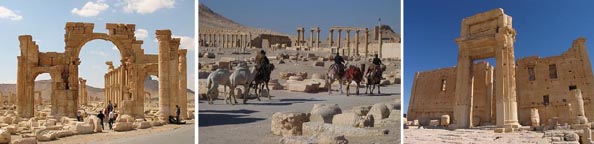
April 16 , 2011 Saturday Palmira
Palmira Roman Site Camel ride Desert Music with
the Bedewins Dinner and overnight in Palmira
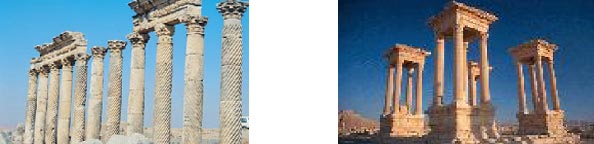
Palmyra, is like a pearl in the heart of
the desert, Palmyra, rising from the sands, is one of the most
graceful and splendid ancient sites in the East, for the glory and the
greatness are still evident and fully years after its construction by
the Arab Queen Zenobia. It remains as one of most famous capitals of
the ancient world. We will have a camel ride at sun set and
wills end the evening in the oasis of Palmyra
SYRIA Day 6
April 17 , 2011 Sunday Sam (Damascus)
Crusades Fortress Malula Mountain village where Aramaic
is spoken Hike the canyon visit Tekla Monastery
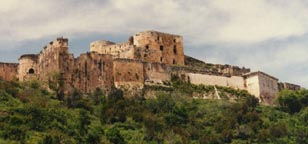 We
will be following the path of the Crusades and natuarally see the
grand fortresses that they had built on their way to the holy Land.
The bedoins of Syria are colorful and easy to communicate with. We
will visit Malula mountain villages where Aramaic - the language of
|Jesus is spoken. We
will be following the path of the Crusades and natuarally see the
grand fortresses that they had built on their way to the holy Land.
The bedoins of Syria are colorful and easy to communicate with. We
will visit Malula mountain villages where Aramaic - the language of
|Jesus is spoken.
St. Tekla was one of the most loyal disciples of
St Paul. In order to follow St Paul on his Missionary journey, he had
dressed as man and followed him where ever Paul had traveled on his
long journey.
After
we visit her church, we will proceed to a winery where since the time
of the Assyrians wine was being made and offered to the Gods. We will
get a chance to to taste the wine that once made Gods happy/Damascus
is the largest city in Syria and may be the oldest continuously
inhabited city in the world. We will check in to our hotel before we
go out for another great dinner experience.
SYRIA Day 7
April 18 , 2011 Monday
Sam
(Damascus)
Emevi Mosque Home dinner
Whirling Dervich Demonstration Overnight in Damascus Arts
and Crafts: Mother of pearl inlay, wood work, weaving
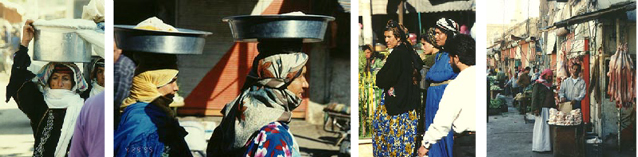
We will start the day with city site seeing.
After lunch we will spend the afternoon at the souks of Damascus. We
will see wood carvers, motherof pearl being engraved in wood, weavers
...
Early references to Damascus such as those in Ebla tablets, confirm
that it was as a city of immense economic influence during 3rd
millennium BC. Ancient Pharaonic scripts refers to it as Dameska.
It enjoyed great prominence during 2nd millennium BC as center of an
Aramaic kingdom under the name of Dar-Misiq (the irrigated house). The
Aramites were the original inhabitants of Damascus, and their language
was Syriac. Many villages around Damascus are still known by their
Aramaic names . The
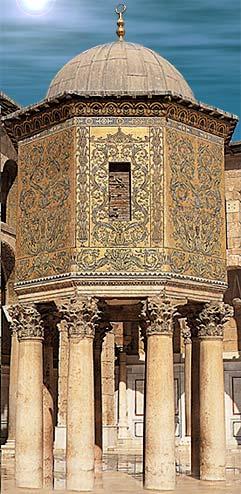
 Umayyad
Mosque, Damascus. At the heart of the
Old City, visit the astonishing example of a Damascene house,
where the simple, almost primitive, exterior contrasts rather sharply
with the beauty and sophistication of the interior. Here one finds a
sense of space, a wealth of polychrome stone, splendid marble,
cascading fountains, and fragrant flowers. The palace was built in the
mid-eighteenth century for the Governor of Damascus. The palace now
houses the Museum of Arts and Popular Traditions. Umayyad
Mosque, Damascus. At the heart of the
Old City, visit the astonishing example of a Damascene house,
where the simple, almost primitive, exterior contrasts rather sharply
with the beauty and sophistication of the interior. Here one finds a
sense of space, a wealth of polychrome stone, splendid marble,
cascading fountains, and fragrant flowers. The palace was built in the
mid-eighteenth century for the Governor of Damascus. The palace now
houses the Museum of Arts and Popular Traditions.
 Saladin's
Tomb and its neighboring Schools Saladin's
Tomb and its neighboring Schools
The tomb is next
door to the north gate of the Omayyad Mosque. It was originally part
of al-Azizieh School built by Uthman, Saladin's son, in the twelfth
century. The whole interior is decorated with polychrome marble
mosaics.
Next to the tomb stands a typical Mamluk edifice, the Jumaqjieh
School, built in the twelfth century. The interior is decorated with
inscriptions and beautiful lettering. It is one of the most splendid
old schools in Damascus; and has recently been turned into a Museum of
Arabic Calligraphy.
Two other schools stand nearby: al-Zhahiriya, which is an Ayoubite
edifice and house the famous library of that name; and al-Adliya,
which is also Ayoubite in style, and is now headquarters of the Arab
language Academy.
SYRIA Day 08
April 19 , 2011 Tuesday
Damascus
St.
Paul's Church / Bab Keissan Is situated behind Bab Keissan,
one of the gates in the old wall encircling Damscus. It commemorates
the memory of St. Paul, whose name was Saul of Tarsus, charged by
 the
Romans to persecute the Christians. As he approached the village of Daraya, a burst of blinding light took his sight away, and he heard
Jesus Christ ask him "Saul, why do you persecute me? This was a vision
of faith. He was taken unconscious to Damascus, attended by Hananiya,
Christ's disciple, and became one of the staunchest advocates of
Christianity. His Jewish peers decided to kill him, but he hid in a
house by the city wall. The church is located at the site of his
escape. He traveled to Antioch, Athens, and Rome, after a brief stay
in Jerusalem, and continued to teach the gospel until he died the
Romans to persecute the Christians. As he approached the village of Daraya, a burst of blinding light took his sight away, and he heard
Jesus Christ ask him "Saul, why do you persecute me? This was a vision
of faith. He was taken unconscious to Damascus, attended by Hananiya,
Christ's disciple, and became one of the staunchest advocates of
Christianity. His Jewish peers decided to kill him, but he hid in a
house by the city wall. The church is located at the site of his
escape. He traveled to Antioch, Athens, and Rome, after a brief stay
in Jerusalem, and continued to teach the gospel until he died
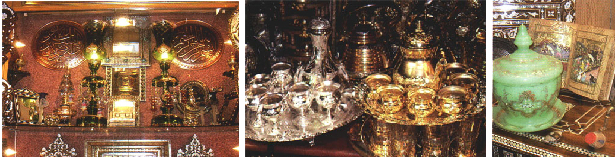
Souk The
magnificent old city of Damascus inhabits a wide range of souks that
cater to different needs. One takes a trip to the old city in order to
attain a sense of Syrian national heritage and a culture that seems to
be unique to the masses. Our first stop will be Hamadiyeh souk. We
followed a straight line of 500 meters from the west of the old city
to the Ommayyad Mosque. The souk dates back to the Ottoman Rule under
Sultan Abdul-Hamid, after whom the souk "hamidiyeh" was named. The
souk is covered with high iron vaulting and the hot sun's rays are
filtered through its shields,
 with
holes that emerged from gun fire attacks in the mid 20th century under
the French mandate. A major commercial center up until this day, the
shops in Hamadiyeh sell almost everything with a wide array of
products displayed at the main street. Exquisite handmade brocades,
mosaic, and copper inlaid with silver were superbly displayed,
perplexing to the shopper's initiative due to their abundance. Ice
cream, sweets, and the delicious `tamary ka'ak' will be continuously
tempting us as we walk through the souk . Branching out to the right
of the souk, close to its mid-point, we lead our way through to Souk
Al-Saghah. Confined in its covered ceilings and walls as well, Souk
Al-Saghah is limited to jewelry only, The window displays present a
numerous range of precious metal accessories, genuine yellow and white
gold, with diamond or pearl details. From necklaces, bracelets,
earrings, rings, engagement rings, wedding rings, all of which are
copious to the senses. Barganing is the name of the game in this
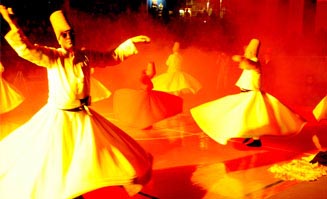
souk. In the evening we will have a dervish performance.
Dinner will be served in a private home. Overnight in Damascus. with
holes that emerged from gun fire attacks in the mid 20th century under
the French mandate. A major commercial center up until this day, the
shops in Hamadiyeh sell almost everything with a wide array of
products displayed at the main street. Exquisite handmade brocades,
mosaic, and copper inlaid with silver were superbly displayed,
perplexing to the shopper's initiative due to their abundance. Ice
cream, sweets, and the delicious `tamary ka'ak' will be continuously
tempting us as we walk through the souk . Branching out to the right
of the souk, close to its mid-point, we lead our way through to Souk
Al-Saghah. Confined in its covered ceilings and walls as well, Souk
Al-Saghah is limited to jewelry only, The window displays present a
numerous range of precious metal accessories, genuine yellow and white
gold, with diamond or pearl details. From necklaces, bracelets,
earrings, rings, engagement rings, wedding rings, all of which are
copious to the senses. Barganing is the name of the game in this
souk. In the evening we will have a dervish performance.
Dinner will be served in a private home. Overnight in Damascus.
A M M A N
AMMAN Day 09
April 20 , 2011 Wednesday Amman ,
Jordan
On the way to Jorden visit Bushra
Dinner and overnight in Amman in Jordan
Leave Damascus after breakfast and drive south to
Daraa is the center of the town, it
is /100/ km from Damascus. The origin of the word is Kanaani it is
mentioned by Thutmose ((1490-1436)) B.C. It is written in Hieroglyphic
tablets as ((Atharaa)). It was mentioned also in the Old Testament as
((Idraai)) while the Arab geographers called it ((Athraat)). Many
vestiges can be found in town such as the cave and ancient dwellings.
The roman amphitheater, the remnants of some roman baths, an old rail
ways "Hijaz railway". The old Omari mosque that has a special
importance in mosques architecture during the Omayad and Ayoubi
periods.
We will cross the border
to Amman and our first stop in this country will be one of the most
intact roman site, Jarash. We will relive the history as we watch a
gladiator show. then we will continue to the Amman, Capital of
Jordan .The
seven hills of Amman are an enchanting mixture of ancient and modern.
Honking horns give way to the beautiful call to prayer which echoes
from the stately minarets which grace the city. Gleaming white houses,
kabab stalls and cafés are interspersed with bustling markets. tonight
the feast will be a kebab that you will never forget. ( For the
vegetarians we have eggplant kebab)
AMMAN Day 10
April 21 , 2011 Thursday Petra,
Jordan
Drive to Petra Sound and Light show in Petra and overnight in
Petra
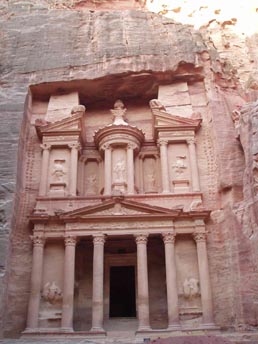
Petra is the treasure of ancient world, hidden
behind an almost impenetrable barrier of rugged mountains, boasting
incomparable scenes that make it the most majestic and imposing
ancient site still-standing nowadays.. It has been said "perhaps there
is nothing in the world that resembles it", actually, for sure, there
is nothing in the world that resembles it. The rock-carved rose-red
city of Petra is full of mysterious charm, it was "designed to strike
wonder into all who entered.
AMMAN Day 11
April 22, 2011 Friday Petra,
Jordan
Petra is considered the most famous and gorgeous
site in Jordan located about 262 km south of Amman and 133 km north of
Aqaba. It is the legacy of the Nabataeans, an industrious Arab people
who settled in southern Jordan more than 2000 years ago. Admired then
for its refined culture, massive architecture and ingenious complex of
dams and water channels, Petra is now a UNESCO world heritage site and
one of The New 7 Wonders of the World that enchants visitors from all
corners of the globe. Dinner and overnight will be in this magical
city.
 AMMAN
Day 12 AMMAN
Day 12
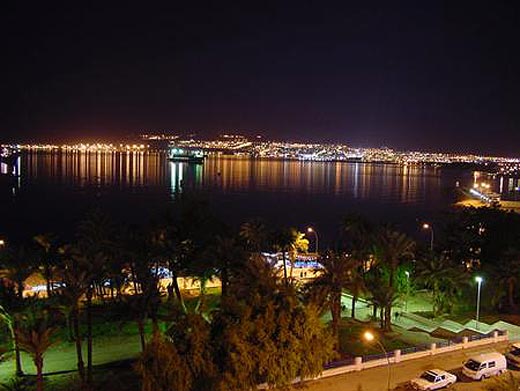
April 23, 2011 Saturday Dead Sea , Amman
Drive to the Dead Sea Return to Amman
We will have a feast along the sea shore. those who might be
interested can go swimming. Make sure you bring your swimming suits
today.
We will return to Amman for dinner and overnight.
AMMAN Day 13
April 24, 2011 Sunday Departure Fly out of Amman
The price:
|
# of Tour members |
Price per person in a double room |
Size of the vechicle |
|
6 pax |
US$
3.862.- |
18-seater Van |
|
7 pax |
US$ 3,656.- |
18-seater Van |
|
8 pax |
US$
3,608.- |
18-seater Van |
|
9 pax |
US$ 3,439.- |
28-seater Van |
|
10 pax |
US$ 3,676.- |
28-seater Van |
|
11 pax |
US$ 3,551.- |
28-seater Van |
|
12 pax |
US$ 3,313.- |
28-seater Van |
|
13 pax |
US$
3,192.- |
28-seater Van |
|
14 pax |
US$ 3,109.- |
28-seater Van |
|
Single room supplement US$ 750.-
The tour price includes
- Hotels
- 33 meals as per meal list below
- Ud Recital & Whirling Dervich show
- All the entrance fees to the sites and museums mentioned above
- Guiding by the local guides through out the tour
- Transportation
- Flight from Istanbul to Antakya
- The tips at the hotels and the restaurants
- One bottle of water per day per person
- Sound and Light show in Petra
The price does not include
- The tip to the guides in Syria and Jordan
- The international flights
- Drinks with meals ( since every one will be given a bottle
of water every day on the bus - the water served with meals will
also be not included)
Meal list
|
DAY DATE |
12 Breakfast |
10 Lunch |
11 Dinner |
|
Day 1
April 12 ,2011 Tuesday
Istanbul |
NOT INCLUDED |
NOT INCLUDED |
NOT INCLUDED |
|
Day 2
April 13, 2011 Wednesday
Halep (Aleppo), |
INCLUDED |
INCLUDED |
INCLUDED NOT AT THE HOTEL |
|
Day 3
April 14 , 2011 Thursday
Halep (Aleppo), |
INCLUDED |
INCLUDED |
INCLUDED AT THE HOTEL FLOOR SHOW |
|
Day 4
April 15 , 2011 Friday
Humus (Homs)
|
INCLUDED |
INCLUDED |
INCLUDED AT THE HOTEL |
|
Day 5 April 16 , 2011 Saturday Palmira
|
INCLUDED |
INCLUDED |
INCLUDED AT THE HOTEL |
|
Day 6 April 17 , 2011 Sunday Sam (Damascus)
|
INCLUDED |
INCLUDED |
INCLUDED NOT AT THE HOTEL |
|
Day 7
April 18 , 2011 Monday
Sam
(Damascus)
|
INCLUDED |
INCLUDED |
INCLUDED NOT AT THE HOTEL |
|
Day 8 April 19 , 2011 Tuesday Damascus |
INCLUDED |
NOT
INCLUDED |
INCLUDED NOT AT THE HOTEL |
|
Day 9 April 20 , 2011
Wednesday Amman , |
INCLUDED |
INCLUDED |
INCLUDED AT THE HOTEL |
|
Day 10 April 21 , 2011 Thursday Petra, Jordan
|
INCLUDED |
INCLUDED |
INCLUDED NOT AT THE HOTEL |
|
Day 11 April 22, 2011
Friday Petra, |
INCLUDED |
INCLUDED |
INCLUDED AT THE HOTEL |
|
Day 12
April 23, 2011 Saturday Amman |
INCLUDED |
INCLUDED |
INCLUDED NOT AT THE HOTEL |
|
Day 13 April 24, 2011 Sunday
|
INCLUDED |
NOT INCLUDED |
NOT INCLUDED |
ARRIVAL IN ISTANBUL
- PAYING FOR ENTRANCE VISA
After you leave the plane, walk towards the
police check. Before the police check line, there is a booth for
entrance visa. Paying your entrance visa at the airport is very easy.
You can use cash or credit card. For the citizens of USA the visa
charge is US$ 20.
- COLLECTING YOUR LUGGAGE
Go through the police line then walk down the
ramp into baggage claim area. At the end of the ramp there is a
monitor. On the monitor, check your flight number and find the
carrousel number where your luggage is to be collected. If you need a
cart for your bags you need to have US$ 2.- cash ( Coins are not
accepted) to get a cart.
- GOING THROUGH CUSTOMS
You do not need to declare any thing to Turkish
customs so just walk through the customs and come out of the gate.
- MEETING THE PERSON WHO WILL TRANSFER YOU TO YOUR HOTEL
You will be met at the MEETING POINT #1 When you
walk out of the customs gate, you will see many people lined up with
signs and name cards in their hands.
PLEASE IGNORE THEM ALL! THE PERSON WHO IS
WAITING FOR YOU WILL NOT BE AMONG THAT CROWD.
1.After you leave the customs gate, turn LEFT
2.Walk about 30 ft , on your left there will be
several ATM machines,
3.Pass the ATM machines, pass the Information
Desk
4.There, you will see THE MEETING POINT #1 sign
hanging from the ceiling.
5. The person who is waiting for you will be there under the
MEETING POINT#1 sign
6. He will be holding a MELITOUR - SIGN
Incase of emergency please call Meli +90 532 345 9987
VISA FOR SYRIA AND JORDAN
Please make sure you state the day of arrival to Syria very
carefully so that your visa date is right for the date we will enter
the country. From my experience last year, Getting visa for Syria was
very easy.
|
TURKEY |
SYRIA |
JORDAN |
-
20 US$ can be bought upon entrance to the country at
the air port
-
You have to pay for your visa before you get in line for
police check at the immigration booths
- The visa is valid for three months
- Your pass port should have at least
three available pages for the stamp
- The passport should be valid for 6 more
months upon entry to Turkey
|
-
***Passport and travel documents should not
contain any evidence of prior or intended travel to Israel.
-
***If you have been to Israel before and if you have a
stamp for Israel in your passport, you have to get a new
passport
-
Passport must have at least 6 months remaining validity
-
The passport should be valid for 6 more
months upon entry to Syria
-
Please get the information from the Syrian embassy in
Washington DC and New York
- Permanent Mission of the Syrian Arab Republic to the
United Nations in USA
send edits
820 Second Avenue, 15th Floor
New York, NY 10017 U.S.A.
City: New York
Phone: (+1-212) 661-1313
Fax: (+1-212) 983-4439
Email:
syrun@undp.org, syria@un.int, information@syrianmission.org
- Syrian Embassy in Washington DC, United States
2215 Wyoming Avenue NW
Washington, DC 20008
United States of America
City: Washington DC
Phone: 202-232-6313
Fax: 202-265-4585
Web Site:
http://www.syrianembassy.us
Email:
info@syrembassy.net
We strongly recommend that you call the embassy and ask them to
send you the application form for visa. Or have them confirm that
the application for on the internet is valid. Because sometimes
they change the application form and keep the old one on the
internet.
|
- The passport should be valid for 6 more months upon
entry to Jordan
- US Citizens and Citizens of Canada can obtain a one
month, single-entry visa on arrival at any point of entry in
to Jordan
- Visa on arrival: JD10 (single-entry). Apprx 15
US$
- For more information please contact
Embassy of the Hashemite Kingdom of
Jordan
www.jordanembassyus.org
Consular Office
For Visa, Passport, Power of Attorney,
Legalization inquiries.
3504 International Drive, N.W.
Washington, D.C. 20008
Telephone numbers:
(202) 966 - 2861 (202) 966 - 2887 (202) 966 - 2909 (202) 966 - 8757
Fax number: (202) 686 - 4491
E-mail:
HKJConsular@jordanembassyus.org
Address
3504 International Dr., NW
Washington, D.C. 20008
|
|



















.jpg)



.jpg)
.gif)
.jpg)















 2011
2011